
Italian Chair Designs for Luxury Living Spaces
A chair is one of the most personal pieces of furniture in a room. Unlike larger elements that are experienced from a distance, a chair is understood through direct interaction — its proportions, comfort, materials and the way it supports the body.
This is why Italian Chair Designs continue to influence contemporary interiors. Their appeal is not only in appearance but in the relationship between form and function. A well-designed chair balances visual presence with everyday comfort.
Whether placed in a living room, dining area or private corner, the right Italian Chair can become both a functional piece and a defining element within the space.
Begin with the Purpose of the Chair
Before selecting a chair, understand how it will be used.
A dining chair needs to support an upright posture and work comfortably with the height and structure of a table. A lounge chair can allow a deeper seat and a more relaxed angle. An occasional chair may serve as an accent while adding flexibility to the room.
The purpose influences every design decision that follows — from seat depth and back support to material selection and silhouette.
Good Chair Designs are created by considering use first, allowing aesthetics to follow naturally.
Let the Silhouette Shape the Room
Chairs occupy less space than sofas, but their outlines often have a strong visual impact.
A curved chair can soften a room with strong architectural lines. A structured chair can introduce definition within a more relaxed setting. When placed in pairs or around a table, repeated forms create rhythm and balance.
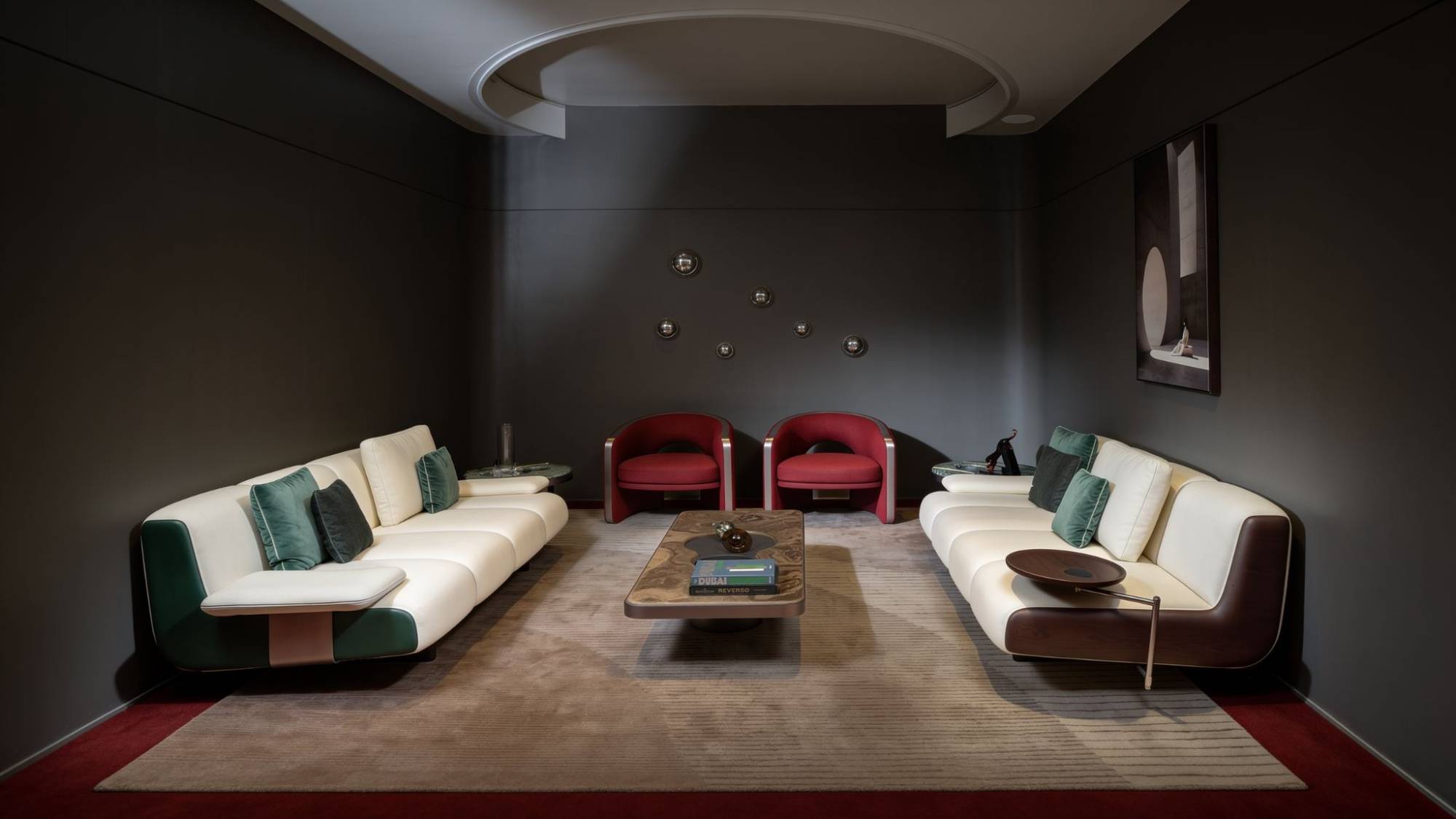
Italian Chair Designs often focus on this relationship between simplicity and expression. A carefully shaped backrest, refined frame or subtle curve can create character without relying on excessive decoration.
Explore RAVOH's chairs collection to discover seating forms designed around proportion, material and refined detailing.
Understand the Relationship Between Material and Form
Materials influence both the appearance and experience of a chair.
Leather can create a structured, sophisticated surface. Fabric introduces softness and comfort. Metal can provide precision through the base or frame, while timber adds warmth and natural texture.
The strongest italian furniture chairs use materials with purpose. Instead of combining multiple finishes without direction, each element contributes to the overall balance of the piece.
The Museum Collection by RAVOH demonstrates how materials such as leather, metal, veneer and marble can work together through a controlled design language.
Dining Chairs Require Rhythm and Repetition
Dining chairs are viewed differently from standalone seating because they are repeated around a table.
A single chair becomes a visual pattern when placed six or eight times. The height of the back, the shape of the frame and the material details influence the entire dining composition.
When selecting italian style chairs for a dining setting, consider how the repeated silhouette interacts with the table. A curved chair can soften a rectangular table, while a structured design can create a more formal atmosphere.
The Sistine Dining Chair sets a bowl-shaped seat in leather and nubuck on a tapered pedestal, with a brass collar where the two meet. Around a table the repeated pedestals keep the floor open beneath the seats, and the finished rear of each shell is what the room sees first.
Create Balance Between Comfort and Design
A visually striking chair still needs to perform well.
Seat height, depth and back angle determine how comfortable the chair feels over time. A dining chair requires stability and support, while a lounge chair should encourage relaxation without losing structure.
This balance is what makes modern italian chairs effective in contemporary homes. They combine refined silhouettes with practical considerations that support everyday use.
A chair should not only look appropriate within a room; it should feel natural when occupied.
Use Chairs to Create Defined Spaces
A single chair can influence how a room is experienced.
Placed beside a window, it can create a reading corner. Positioned near a sofa, it can complete a conversation area. Used at the edge of a room, it can introduce a new material or silhouette without requiring additional furniture.
The key is allowing enough space around the chair so its form remains visible.
Thoughtful Chair Designs contribute to the room by creating balance, not by adding unnecessary elements.
Select Chairs That Connect with the Interior
The most successful seating choices relate to the wider room.
A chair does not need to match every surrounding piece. Instead, it should connect through one or two shared elements — a material finish, a colour tone or a repeated shape.
This creates continuity while allowing each piece to maintain its own identity.
Explore RAVOH's collections to see how seating, tables and storage pieces can work together through a consistent design approach.
Choose Design That Remains Relevant
Furniture that remains valuable over time is usually based on strong fundamentals — comfort, proportion and material quality.
The appeal of Italian Chair Designs comes from this focus on lasting principles. Rather than depending on temporary trends, they create pieces that continue to feel relevant as interiors evolve.
For a closer understanding of seating proportions, materials and finishes, visit RAVOH's Gurugram showroom to experience the collections at full scale.