
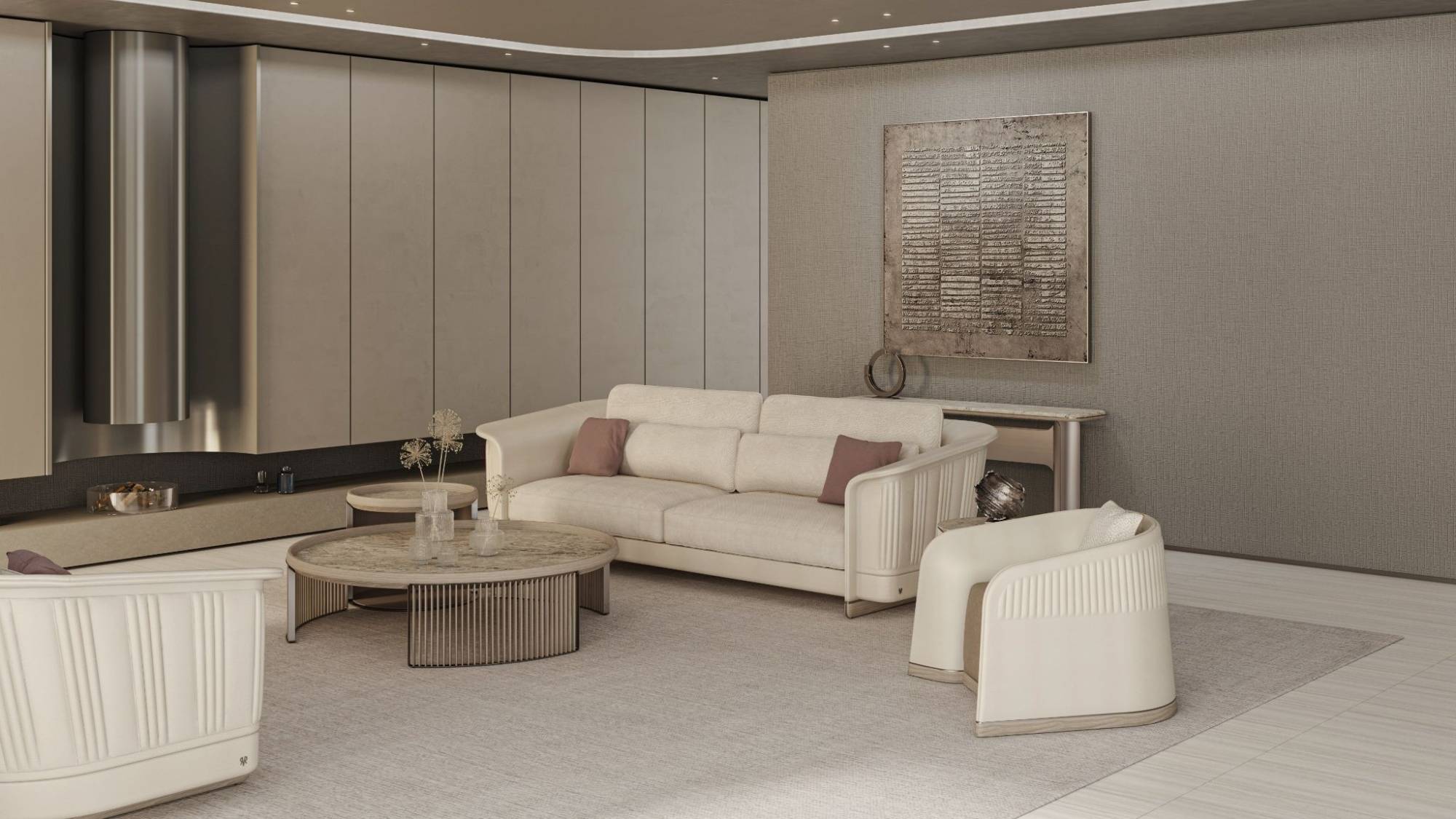
The Evolution of Modern Living Room Furniture in Urban Homes
The living room has changed significantly over the years. Once designed primarily as a formal space for receiving guests, it has become a multifunctional area where people relax, work, entertain and spend everyday moments together.
This shift has influenced how furniture is designed and arranged. Today, modern living room furniture needs to balance comfort, flexibility and visual character while adapting to changing lifestyles.
In urban homes, where space is often carefully considered, furniture is no longer just about filling a room. Each piece needs to support how the space is used while contributing to a cohesive interior.
From Formal Seating to Flexible Living Spaces
Traditional living rooms often followed a fixed arrangement — a sofa set facing another seating element, with limited movement between pieces. Modern homes require more adaptability.
Today, seating layouts are designed around conversation, relaxation and multiple activities. A sofa may define a social area, while a lounge chair creates a reading corner or a quieter personal space.
This evolution has made living room furniture more focused on flexibility. Pieces need to work individually while also contributing to the overall flow of the room.
Explore RAVOH's sofa collection to see how different proportions and silhouettes can shape contemporary living spaces.
The Rise of Space-Conscious Design
With changing city lifestyles, apartments and compact residences have influenced how furniture is selected.
A successful modern living room is not determined only by the size of the furniture but by how efficiently each piece works within the available space. Sofas with balanced proportions, multifunctional storage and carefully placed accent pieces allow rooms to feel open without appearing empty.
This approach has shaped many living room furniture ideas, where designers focus on circulation, scale and visual balance rather than simply adding more elements.
Materials Became Part of the Experience
Earlier furniture choices often focused primarily on function. Modern interiors place greater importance on how materials influence the atmosphere of a room.
Wood introduces warmth. Marble adds texture and permanence. Leather creates depth through its finish, while metal provides structure and contrast.
The growth of contemporary living room furniture reflects this shift towards material-led design. Instead of relying on excessive decoration, modern pieces often allow craftsmanship and surface quality to become the defining features.
The Museum Collection by RAVOH demonstrates how different materials can work together through controlled proportions and refined detailing.
Furniture Began Defining the Architecture
Modern living rooms are increasingly designed around furniture rather than treating furniture as something added later.
A large sofa can establish the centre of a room. A console can create a transition between spaces. A statement chair can introduce a new direction within an open layout.
This approach has changed modern living room design by making furniture an active part of the architectural composition.
Instead of simply decorating a room, furniture helps create zones, guide movement and influence how people experience the space.
The Shift Towards Personalised Interiors
Today’s living rooms reflect individual lifestyles more than fixed design rules.
Some homes prioritise entertainment and gathering. Others focus on quiet reading areas, work-from-home requirements or flexible family spaces.
This has expanded the possibilities of urban living room design. Rather than following one standard arrangement, homeowners can select pieces based on their habits and the atmosphere they want to create.
A carefully chosen combination of seating, tables, storage and accessories allows the room to feel personal while remaining visually balanced.
Technology and Changing Habits
Technology has also influenced the evolution of living spaces.
Entertainment systems, smart devices and changing work patterns have affected furniture placement and storage requirements. Living rooms now need to accommodate multiple activities without losing their sense of calm.
Modern furniture responds through cleaner forms, integrated storage solutions and adaptable layouts.
Explore RAVOH's storage collection for pieces designed to bring organisation and material expression together within contemporary interiors.
The Future of Living Room Design
The future of modern living room furniture is likely to continue moving towards flexibility, sustainability and thoughtful craftsmanship.
As homes evolve, furniture will need to support changing routines while maintaining long-term relevance. Pieces with strong proportions, durable materials and timeless forms are more likely to remain connected to a home's identity over time.
The best interiors are not defined by trends alone. They are created through decisions that balance comfort, function and design intent.
For those exploring ways to create a refined living space, visit RAVOH's Gurugram showroom to experience how furniture, materials and proportions come together at full scale.